Dental implant surgery is a procedure that should be taken seriously. No one wants it, but like any other type of surgery, it requires a recovery period.
After one or more dental implants are placed, the patient's adherence to warnings and the dentist's experience will determine the healing process. However, the healing time may vary depending on the difficulty of the surgery area, how well you take care of yourself, and how your body reacts to the implant. It should be remembered that each individual's response to surgery is different.
We will cover all these and more below.
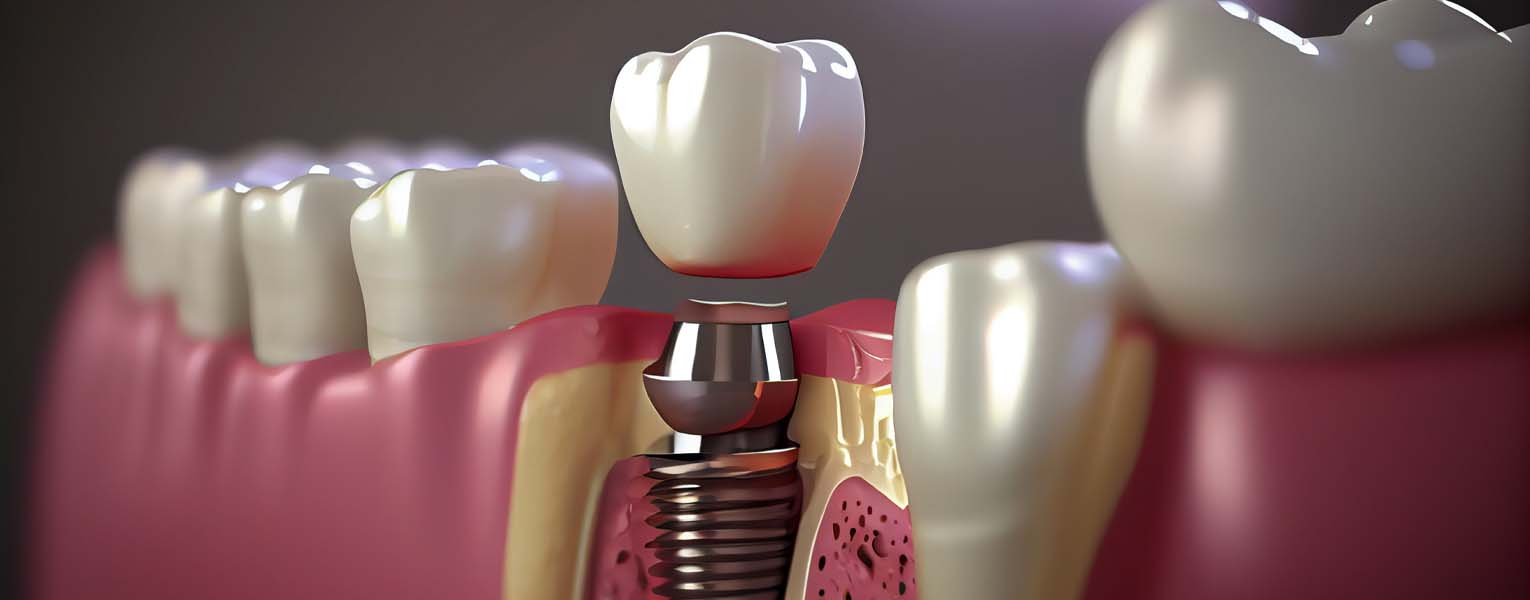
What is the recovery time after dental implant surgery?
Generally, it takes 5-7 days for all symptoms to subside. However, some patients may experience longer healing times due to different factors (bone powder addition, sinus lift, etc.).
Some of the reasons why your healing time may vary are:
How Many Implants Did You Have?
Your healing time may vary depending on whether you have a single implant, multiple implants, or All-On-4 implants. Basically, more implants mean more and larger surgical areas, which means a slightly longer healing time.
Sinus Lift
Sinus lift surgery can also prolong your healing time. This is a surgery where artificial bone powder is added when there is insufficient bone tissue in the upper molar area. The dentist will need to move (or lift) the sinus membrane upward for the additional bone to settle.
Bone Grafting
Bone grafting is necessary when your jawbone is not thick enough to secure an implant. After getting the implant, chewing forces put a lot of pressure on the bone, so it needs to be as strong as possible.
If you need a bone graft, your dentist will take bone from another part of your body (like your hip) and transplant it to your jawbone. They may also use artificial bone.
In either case, an extra few months are needed for healing. However, if minimal bone grafting is required, it may not take that long.
Osseointegration
Osseointegration is the process of integration of your jawbone with the dental implant. This takes time to happen successfully 'and may differ for each patient'. Therefore, the dentist may predict different times for each patient depending on bone tissue quality, patient's age, patient's systemic disorders, and medications the patient regularly uses.
Assuming the procedure goes well and there are no complications afterward, the healing period should last about a week to ten days. The complete integration of the implant into the bone can be estimated as 3 months.
The First Few Days After Dental Implant Surgery
Now that we have covered the recovery timeline, let's discuss what the recovery process will look like, what you can do to make it successful, and how to speed it up.
What to Expect on the First Day?
During the first 30 minutes after surgery, you will want to hold firm but gentle pressure on the gauze packs with your bites. This will keep them in place.
For almost everyone, bleeding stops within the first 30 minutes. If you are still bleeding after 30 minutes of firm pressure, place new gauze for another 30 minutes. After that, you should change the gauze every 30 to 45 minutes until bleeding stops.
Some symptoms you may experience on the first day include:
• Persistent bleeding
• Swelling
• Pain
All these are expected signs that your body is healing itself.
Here are some dental implant recovery tips to follow to speed up your healing and minimize pain:
• Be careful not to disturb the surgical areas
• Gently brush your teeth with a toothbrush on the night of the surgery
• After 24 hours, rinse with salt water 2-3 times a day
• Rest as much as possible
• Apply ice as needed
On the second and third days after surgery, your body will continue to heal itself, but you need to take care of your mouth to help the process.
You may see a greenish-yellowish discoloration or bruising around the surgical areas, but this is normal and should only last 2-3 days after surgery. After that, you can apply moist heat to the area to reduce discoloration.
If you feel a sharp ridge or an edge of your tooth, this is also common. If it concerns you, don't hesitate to contact your dentist.
You may also experience dry lips, sore throat, and stiff jaw muscles, all expected symptoms of having gauze in your mouth. All of these should disappear after about 2-3 days.
Here are some general instructions for caring for implants in the days following the procedure to help your recovery period:
• Rinse your mouth with salt water, taking five minutes to use a full 8-ounce glass. You can do this as often as you like, at least twice a day.
• Gently brush your teeth as soon as possible after the procedure. You may not be able to brush with normal force (or want to) due to pain and swelling. But maintaining good oral hygiene during this recovery period is important.
Another thing to consider during recovery is modifying your diet, which we will discuss in the next section.
During the recovery period, you will likely experience oozing, bleeding, swelling, and pain. You will also want to maintain good oral hygiene.
It is a smart idea to temporarily change your diet to help your mouth heal quickly and properly. It doesn't sound fun, but it can be very helpful.
The best thing you can do with your diet is to avoid direct contact with the implant as much as possible for as long as possible. This means no hard foods until the area is completely healed.
Foods You Should (and Should Not) Eat After Surgery
Generally speaking, you should eat mostly soft foods while trying to chew on the opposite side of your mouth from where the implant was placed.
Here are some food ideas that are good to eat after surgery:
• Avocado
• Beans (dried)
• Bananas
• Eggs
• Fish (do not use citrus)
• Healthy juices or smoothies
• Oatmeal
• Noodles
• Rice
On the flip side, there are many foods to avoid immediately after surgery:
• Hard foods like chips, nuts, or apples
• Acidic foods like tomatoes, lemon, lime, orange juice
• Popcorn
• Spicy foods can cause discomfort
Stick to soft and mushy foods during recovery, and avoid hard, sticky, and spicy foods.
Now that you have read this article, you know what to expect after your dental implant surgery, the expected recovery time, potential symptoms, and what you can do to make the whole process easier.
Along with your doctor's recommendations, you should be ready for the dental procedure you need.
AESTHETIC DENTISTRY
TEETH WHITENING (DENTAL BLEACHING)
WIRELESS ORTHODONTICS (INVISALIGN)
ORTHODONTICS (BRACES)
ROOT CANAL TREATMENT (ENDODONTICS)
GUM TREATMENTS (PERIODONTOLOGY)
PEDIATRIC DENTISTRY (PEDODONTICS)
IMPLANT TREATMENT
ORAL, DENTAL AND JAW SURGERIES
FRENECTOMY (LIP-TIE / TONGUE-TIE RELEASE)
ALL-ON-4 TREATMENTS
FILLING TREATMENT
FIXED PROSTHETIC APPLICATIONS
Address
Merkez, Lise Cd. 18 C / D, 07980 Kemer/Antalya
Phone
05324401740