Bone graft, or artificial bone powder as it is commonly known. Doesn't sound very pleasant at first, does it?
You may have been frightened after learning what a bone graft is. But there is really nothing to fear - dentists do them all the time.
Now let's learn together what a bone graft is...
Types
Recovery
Complications
Cost
Is Bone Graft Necessary for Implants?
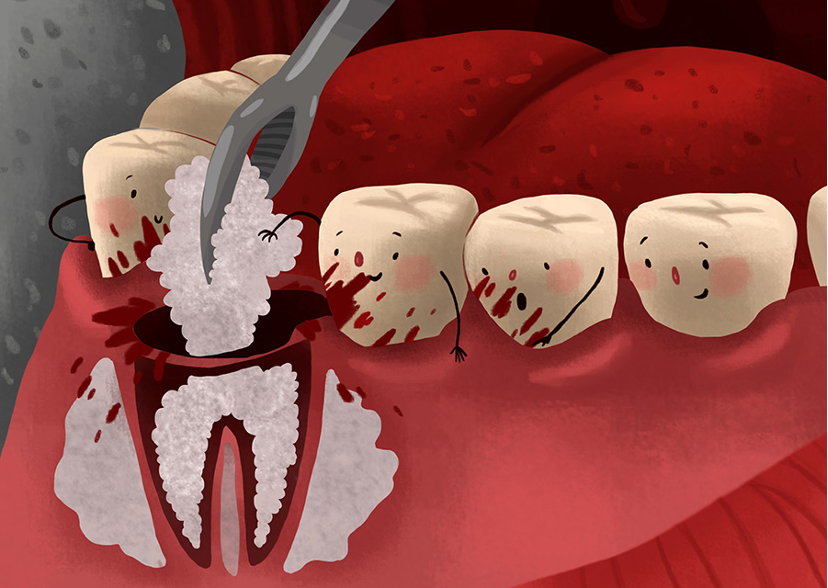
Bone grafting is when a dentist takes bone from another place and places it into the implant site. It is not always necessary.
Bone graft placement is a procedure where a dentist places artificial bone or bone taken from another area to support and/or create a thicker area for implant placement.
Just as a thick and solid wall is preferred over thin and weak drywall when inserting a screw, implants also need to be supported by bone of sufficient thickness and density to provide long-term reliable support for the teeth to be made.
Although common, bone grafts for dental implants are not always necessary.
If your dentist sees that your jawbone is too thin, soft, or insufficient, they will likely talk about a bone graft. In cases where there is insufficient bone, the implant will fail in the long term, even if not initially.
Your dentist may take bone from another area and place it into the implant site, or if this is insufficient or impossible, they may apply a completely artificial bone graft.
Does Bone Graft Affect Treatment Time?
If a bone graft is applied, this will affect the overall course and time of your treatment. Since there are many stages when getting a dental implant, adding a bone graft will both extend the time and bring additional costs.
Bone grafting can extend your treatment time by a few months (3 to 6 months), but this depends on how much graft is applied, where it is placed, and the type of dental prosthesis planned.
However, many times a bone graft is a necessary and mandatory step.
Types of Dental Implant Bone Grafts
A graft bone can be taken from your own body such as the jaw, back of the jaw, hip, or leg. These are known as 'autografts' because they come from your own body.
Sometimes the bone can be an 'allograft' from a cadaver source. This type of bone is specially processed to eliminate any bacteria or other biological material. Since this bone is completely sterile, the risk of rejection is very low or none, and the bone grafting procedure can be performed without a secondary surgical site on your body. However, they are the most expensive grafts.
Bone graft can also come from animal sources such as cattle and is known as 'xenograft'. Bone from animal sources is just like bone from a human source and undergoes a series of processes to make it safe for use.
Your dentist's decision on which bone graft and in what proportion to use may vary depending on the method and amount that will be best for you. There are also different sizes of bone grafts depending on how much is needed.
Minor Bone Graft
Your dentist may use a minor bone graft after extracting damaged teeth. This means placing bone graft in granular form (looks like coarse sand) into the empty tooth socket.
Then, using sutures, they close the cavity with a protective membrane 'collagen membrane'. In the following weeks, natural bone will form inside the tooth socket, preserving the original bone height. This process takes about a month (depending on your systemic disorder, smoking-alcohol use, oral hygiene).
Moderate Bone Graft
A moderate bone graft is needed when more significant bone loss has occurred and both height and width are insufficient.
The dentist will make a small incision in the required bone area and then place sufficient bone granules. This procedure will help create the necessary space to place the implant and will provide width and height as it heals.
Major Bone Graft
When a person loses multiple teeth for a long time, they will often experience a significant amount of bone loss. In such cases, dentists may recommend a major bone graft.
To increase the likelihood of the material used adapting to the bone tissue in the implant area, your dentist may prefer to use a bone block from elsewhere on your body instead of using artificial bone powder.
They fill small areas needed to create a smooth surface with bone granules. Then they completely close the entire area using sutures. Using bone granules of this size will extend the time we wait for dental prosthesis by 3 to 6 months.
Sinus Lift (in the upper jaw)
Another type of bone graft is called a 'sinus lift'. It is a very common condition in the upper jaw molar areas. In cases of multiple tooth loss in these areas, excessive bone loss and/or downward sagging of the sinuses may be seen.
Dental implants cannot be placed into a hollow area (sinus), so the dentist will need to lift the sinus floor to fill this space.
They will make an incision from the edge of the gum and open a small window into the sinus cavity. The dentist carefully separates and lifts the sinus membrane from the sinus walls. Then, artificial bone powder is placed between the membrane and the sinus floor.
When sufficient bone tissue is placed in the area, the dentist covers it with a membrane 'collagen membrane' to protect the artificial bone tissue. Then the small window opened is completely closed with sutures.
When the implant will be placed is an important issue. If you have minimal bone thickness to keep your implant initially stable, your implant is also placed at the same time, and your dental prostheses can be made after a waiting period of at least 6 months. However, in some cases where not even that much bone is present, the implant is placed after waiting 4-6 months for the sinus lift to fully heal. Then there is a 3-month waiting period after the implant is placed. After this period, dental prosthesis construction can begin.
These durations and which method your implant will be applied with should be started after your dentist decides what is best for you.
What Happens After the Bone Grafting Procedure?
At the end of your dental implant process; experiencing swelling in your gums, mild bruising on your face and skin, oozing of blood, pain, and discomfort is a natural result of this procedure. If you encounter such situations, we advise you not to panic or worry. This means your body is healing itself, and it needs time to do so.
Your dentist will prescribe some medications for your pain as well as antibiotics to prevent infection. Follow your dentist's recommendations and take medications as directed.
Avoid trying alternative treatments or medications without consulting your dentist first, as they may have side effects you may not be aware of.
If any of these situations seem excessive to you or if you have non-stop bleeding or unrelieved pain, be sure to contact your dentist for advice. They may increase your painkiller dose or suggest some other solutions.
Healing of Bone Graft
As mentioned above, the healing time can vary, lasting from a few months to a year. It may vary depending on what your procedure involved, how the integration of the implant into your jawbone (osseointegration) is going, and the methods used. Sometimes your dentist may extend or shorten the time initially predicted.
The success rate of dental implants worldwide is very high, around 95%. In our country, this rate is around 96%. However, we must say that it is definitely not 100%. It is very important that you do everything you can to help this process at every stage. Make sure to strictly follow all your dentist's recommendations and prohibitions.
For example, your doctor may ask you to eat only soft foods to avoid pressure on the surgical areas. Also, you need to have very good oral hygiene to help the healing process and to avoid problems with the implant integrating with the bone.
Smoking immediately after oral surgery is definitely not recommended. Tobacco smoke negatively affects the healing process and can cause the graft to heal more slowly and even fail. Studies have shown that smoking, alcohol, and poor oral hygiene are the biggest reasons for dental implant failure.
Systemic health problems such as uncontrolled diabetes also negatively affect the healing process.
Your dentist will inform you about possible risks and give recommendations before the bone graft procedure and implant surgery.
Some things you can do to take care of your natural teeth as well as your dental implant:
• Brush, floss, and rinse with non-alcoholic mouthwash 2-3 times a day. We also recommend using special dental implant brushes that can reach places a toothbrush or floss cannot.
• Do not skip regular check-ups with your dentist, preferably every six months. This ensures your implant heals properly and continues to perform well.
• Avoid tobacco and excessive caffeine as they can damage both natural and artificial teeth.
Possible Complications
Dental grafts are safe when performed by a licensed and experienced dentist. Remember, the majority of implants (95%) are successful, and many involve bone grafts.
However, as with any surgery, complications may occur in bone graft and dental implant applications, although rare. Some potential risks to be aware of include:
• Infection
• Damage to natural teeth, blood vessels, or nerves
• Numbness, tingling in lips, tongue, and cheeks
• Sinus problems (for upper jaw implants)
• Swelling, pain, bruising
Bone Grafting Cost
The cost of a bone graft can vary depending on the type of graft used, the amount of bone needed, and the surgical site. Sinus lift operations for upper jaw implants are more difficult and complicated cases than many other areas. Therefore, they will increase the cost. In addition, costs may vary according to the knowledge and skill of the dentist you consult.
• Bone graft is when a dentist takes bone from another place and places it into the implant site. It is not always necessary, but may be necessary depending on the type of dental prosthesis your dentist plans for you.
• There are four main types of bone grafts: minor, moderate, major, and sinus lift. Which one is applied to you depends on how much bone is needed.
• Like any surgery, bone graft applications can lead to swelling, pain, and discomfort during the healing period.
• As with any surgery, complications such as infection, pain, swelling, and numbness can occur in bone graft applications.
• Bone graft surgery requires from a few months to a year to heal.
• If you need a bone graft for a dental implant, this will bring additional costs.
AESTHETIC DENTISTRY
TEETH WHITENING (DENTAL BLEACHING)
WIRELESS ORTHODONTICS (INVISALIGN)
ORTHODONTICS (BRACES)
ROOT CANAL TREATMENT (ENDODONTICS)
GUM TREATMENTS (PERIODONTOLOGY)
PEDIATRIC DENTISTRY (PEDODONTICS)
IMPLANT TREATMENT
ORAL, DENTAL AND JAW SURGERIES
FRENECTOMY (LIP-TIE / TONGUE-TIE RELEASE)
ALL-ON-4 TREATMENTS
FILLING TREATMENT
FIXED PROSTHETIC APPLICATIONS
Address
Merkez, Lise Cd. 18 C / D, 07980 Kemer/Antalya
Phone
05324401740