You should visit your dentist at least once every six months. These regular check-ups allow you to prevent many oral problems at an early stage. In these check-ups, tooth decay and gum recession are the most common findings that patients are not yet aware of.
Although gum recession sometimes manifests itself immediately with sensitivity, it can sometimes be overlooked with no or very few symptoms. Gum recession can lead to serious consequences, including tooth loss, in the long term.
In this article, we will discuss together what you should do and what path to follow without worrying too much if you have gum recession.
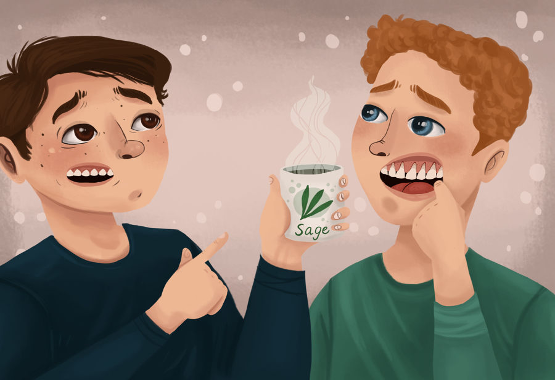
Gum recession means the gum tissue surrounding the teeth pulls away from the roots of the teeth. First, it should be well understood that as the gum recedes, the jawbone surrounding the tooth also recedes with it, meaning it begins to erode.
Gum recession leads to two major problems.
The first; as everyone knows, it leads to sensitivity. This can reach levels that affect life standards, even making it impossible to take tap water into the mouth.
Secondly; as gum recession accompanies bone loss, teeth will start to loosen over time. In advanced stages of gum recession, it can lead to tooth loss. This is like a tree that loses its soil due to erosion, its roots become exposed, and eventually it has to fall. This is a situation you often hear around you. 'I had no decay, but I lost my tooth because it became loose, I had to have it extracted'
Gum Disease (gingivitis)
Gum disease (gingivitis) is a bacterial infection of the gums that damages gum tissue and the bone around your teeth. Also called gingivitis, gum disease is the leading cause of gum recession. About one-third of adults have this problem.
Gum disease is generally caused by plaque accumulation around gum tissue, some autoimmune diseases, medications that cause dry mouth, and smoking.
Genetics
Regardless of how well some of us care for our teeth, we are more prone to gum recession. Here, genetic systemic disorders (such as diabetes, heart disease, etc.) play a very important role.
Aggressive Hard Brushing
Brushing your teeth with too much pressure or using a hard-bristled toothbrush can irritate your gums and lead to recession. This is often seen in smokers who apply a lot of pressure to remove tobacco stains. Also, some individuals may have naturally yellower or darker teeth. In such cases, people may brush harder, consciously or unconsciously, to make their teeth whiter. In both cases, they only damage their gums and also cause abrasion (concave wear) on the surfaces of tooth roots.
Poor Oral Hygiene
Not brushing, flossing, and using antibacterial mouthwash allows plaque on teeth to turn into tartar. Tartar buildup pushes gums away from the tooth and causes inflammation. Tartar deposits create a space or pocket between the gums and the tooth, providing an ideal environment for bacterial growth and gum disease.
Hormonal Changes
If you are a woman, hormonal fluctuations during puberty, menstruation, pregnancy, and menopause can make your gums more sensitive and lead to recession.
Tobacco Use
Whether it's cigarettes, chewing tobacco, or hookah, tobacco forms a sticky plaque on teeth that is difficult to remove and causes gum recession. Remember, the plaque on your teeth turns into tartar and creates those pockets that cause bad bacteria to multiply between the tooth and gums.
Stress
Stress in our lives often causes teeth grinding. Grinding and clenching put excessive pressure on our teeth and the surrounding bone, irritating and inflaming the ligaments holding teeth in their sockets. This irritation can cause gums to become more sensitive and recede. It also causes tooth loosening along with bone loss around the tooth.
Abnormal Jaw Closures
When we bite, if they don't all come together at the same time, there is a problem. This means that too much pressure is applied to the gums and bone in the areas of the mouth where the teeth first contact when biting. Excessive biting force irritates and inflames gums, causing gum recession.
Spaces Between Teeth
Gaps can form between our teeth due to tooth loss or gum recession. Food trapped in these gaps not only causes bad breath but also irritation and inflammation in the gums and underlying bone. This inflammation causes further gum recession.
Trauma
A blow or injury can also cause irritation, inflammation, infection, and gum recession. Similarly, a fishbone piercing or a hard edge of bread injuring the gum can cause infection and inflammation.
A dentist considers three treatment levels when treating gums.
Level I Least Invasive
Level I treatment is treated only with prescription in the early stages of gum recession. Recession at this level easily resolves with twice-yearly teeth cleaning and good oral hygiene.
Depending on the source of gum irritation, simply eliminating the cause may be sufficient. Brush twice a day correctly with a medium-hard toothbrush and use dental floss. If teeth clenching or grinding is causing gum recession, talk to your dentist about a mouth guard to reduce the load on your teeth when clenching and grinding. If you use tobacco, do your best to quit. It should be known that even if you receive the best treatment and go to the best dental clinic, if you continue to use tobacco, everything done will either be unsuccessful or gum problems will start again.
Level II Moderately Invasive
Early mild gum recession is relatively easier to treat. In this case, you may need to visit your dentist two or three times. First, standard scaling and polishing will be done. If cleaning is not enough; then deep cleaning is performed on the affected area after 7 days. This procedure is to clean plaque and tartar accumulated below the gum level. The dentist will also prescribe an antibiotic to clean the remaining bacteria in the area.
Level III Most Invasive
Level III treatment for receded gums involves surgery and is therefore the most invasive. Necessary if the spaces and pockets between the gum and tooth are very deep or if there is significant bone loss. There are three different surgical options: open flap technique, regeneration, and soft tissue graft. Your dentist will decide the best option for you.
1. Open Flap Technique
If your doctor decides that the open flap technique is the best option to treat your gums, they make small incisions in the affected areas to minimize the depth of pockets between the gum and tooth. They align the gum tissue with the root of your tooth.
2. Tissue Regeneration
If the bone supporting your teeth has decreased, your dentist may consider this method to regenerate or replace lost bone and tissue. After separating the gum tissue from your tooth, the dentist places a regenerative material in the affected area to help the missing bone and gum tissue return to their natural level.
3. Soft Tissue Graft
In this procedure, soft tissue is removed from an adjacent tooth that has sufficient gum tissue or the palate or roof of your mouth. This tissue is then sutured to the gum tissue at the site of gum recession.
Although it may not be the most important event of your day, there are measures you can take to at least correct existing gum recession and stop further damage. Now that you know you have gum recession, consult your dentist to plan a recommended treatment plan. These chompers have to last you the rest of your life, and a beautiful smile is the best asset.
AESTHETIC DENTISTRY
TEETH WHITENING (DENTAL BLEACHING)
WIRELESS ORTHODONTICS (INVISALIGN)
ORTHODONTICS (BRACES)
ROOT CANAL TREATMENT (ENDODONTICS)
GUM TREATMENTS (PERIODONTOLOGY)
PEDIATRIC DENTISTRY (PEDODONTICS)
IMPLANT TREATMENT
ORAL, DENTAL AND JAW SURGERIES
FRENECTOMY (LIP-TIE / TONGUE-TIE RELEASE)
ALL-ON-4 TREATMENTS
FILLING TREATMENT
FIXED PROSTHETIC APPLICATIONS
Address
Merkez, Lise Cd. 18 C / D, 07980 Kemer/Antalya
Phone
05324401740